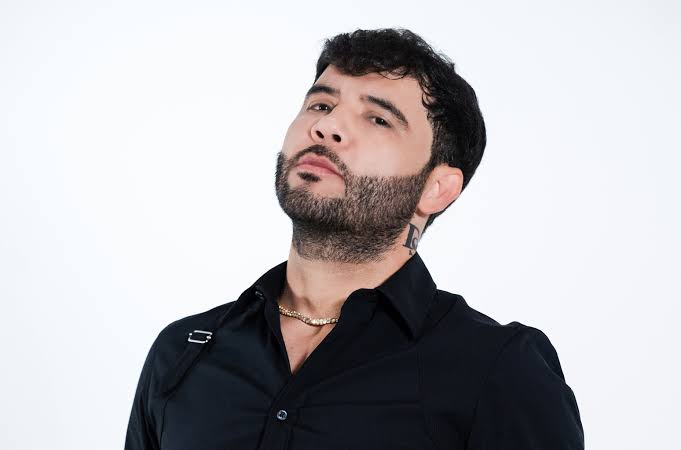
Jose Darey Castro: The Man Behind the Voice
Ask any regional Mexican music fan to name the artists who feel real, unpolished, and rooted in something bigger than a hit single, and Jose Darey Castro’s name comes up fast. He isn’t a manufactured pop act chasing trends. He’s a singer, songwriter, and accordionist whose sound was shaped by dust roads, family gatherings, and a genre that rewards honesty over flash. Lately, his name has been trending for a very simple reason: people want to know exactly how old he is, where he came from, and what’s fueling his sudden surge in popularity.
This piece pulls together everything currently known about Jose Darey Castro age— his birth date, his hometown, his musical evolution, and the string of collaborations that turned him from a regional favorite into a name recognized well beyond Mexico’s borders.
How Old Is Jose Darey Castro Right Now?
Here’s the number everyone’s searching for: Jose Darey Castro was born on April 22, 1980. That means as of early 2026, he’s 45 years old, with his 46th birthday landing later in the year. Do the math and you’ll notice something interesting — he falls squarely into a generation of Mexican musicians who grew up on classic corridos long before streaming platforms existed, then had to reinvent themselves to survive the digital era.
That’s part of what makes his story compelling. He’s not a 20-something viral sensation riding a single TikTok sound. He’s a mid-40s veteran whose career has quietly stacked up two decades of experience, and it shows in the way he performs. Fans who’ve caught him live often say his stage energy doesn’t match his age at all — there’s an intensity that comes from someone who still feels like he has something to prove, even after all these years in the business.
Where Jose Darey Castro Grew Up Shaped Everything
Jose Darey Castro was born and raised in Badiraguato, Sinaloa, Mexico — a region woven deeply into the folklore, imagery, and sound of regional Mexican music. Growing up surrounded by that culture wasn’t incidental; it became the raw material for everything he’d eventually write and sing about.
From an early age, he gravitated toward instruments that define the norteño and banda sound: the guitar first, then the accordion, which would go on to become his signature. Musicians from this part of Mexico often describe their craft as something inherited rather than chosen, and Jose’s story follows that same pattern. Family support played a major role too. By most accounts, he was a well-behaved, focused kid whose relatives and friends actively encouraged his musical interests rather than treating them as a distraction from more “practical” pursuits.
That early encouragement mattered. Plenty of talented kids never get the room to experiment, practice, and fail in front of supportive audiences. Jose had exactly that kind of environment, and it laid the groundwork for the career that followed.
The Band That Made Him a Household Name
You can’t talk about Jose Darey Castro without talking about Los Dareyes de la Sierra, the band he fronts as lead vocalist and accordionist. For more than two decades, this group has been one of the more consistent and respected acts in regional Mexican music — not the flashiest, not the most viral, but reliably good, which in an industry obsessed with novelty is its own kind of achievement.
The band’s sound blends traditional norteño instrumentation with just enough modern texture to keep it from feeling like a museum piece. That balance is trickier than it sounds. Lean too hard into tradition and you risk sounding dated; lean too hard into modern production and you alienate the purists. Los Dareyes de la Sierra, under Jose’s direction, has generally managed to walk that line.
Redención and the Collaborations Fueling His Comeback
If you’ve noticed Jose Darey Castro’s name popping up more in recent months, there’s a clear reason: his album Redención has become something of a commercial breakthrough. It’s not just performing well commercially — critics covering the regional Mexican scene have been genuinely positive about it, which doesn’t always happen for artists this far into a career.
Part of the album’s momentum comes from who Jose chose to work with. Redención features collaborations with several major names in the current Mexican music landscape, including Peso Pluma, Roberto Laija, and Neton Vega. For an artist whose roots are firmly in traditional corridos, teaming up with some of the genre’s newer, chart-topping voices was a smart move — it introduces his sound to a younger audience while giving those artists a dose of old-school credibility in return.
This cross-generational collaboration strategy is becoming more common in Mexican regional music, and Jose Darey Castro’s willingness to embrace it may explain why he’s having one of his biggest years in a career that already spans more than 20 years.
Poco A Poco and His Streaming Presence
On streaming platforms, “Poco A Poco” stands out as the most popular track associated with his band, racking up significant plays on Spotify. It’s a good entry point for anyone unfamiliar with his catalog — a song that captures the emotional storytelling and instrumental craftsmanship that longtime fans already know him for.
His broader catalog spans multiple styles within the regional Mexican umbrella, which is part of why he’s managed to hold onto listeners across different age groups. Younger fans discovering him through recent collaborations tend to stick around once they dig into the deeper cuts, while older fans who’ve followed him since the early 2000s appreciate that he hasn’t abandoned the sound that built his career in the first place.
Family Life: What’s Known and What Isn’t
Jose Darey Castro keeps his personal life notably private, and that discretion has only fueled public curiosity. What’s publicly known is limited but specific: he has a son named Darey Castro Jr., and there’s no widely available record of a marriage. Beyond that, details about his family life remain scarce, which seems to be intentional on his part.
This kind of privacy is increasingly rare for musicians operating in an era where fans expect constant access to every corner of an artist’s life. Jose Darey Castro appears to have drawn a firm line between his public work and his private world, sharing the music while keeping the rest largely out of the spotlight. For an artist whose career depends on emotional authenticity in his lyrics, that boundary is worth respecting — and it’s part of why so much online searching around him focuses on basic facts like his age rather than tabloid-style details.
Education and Early Career: The Gaps in the Story
One thing that comes up repeatedly in any deep dive into Jose Darey Castro’s background is how little is documented about his formal education. Unlike artists who’ve built public narratives around overcoming specific school experiences or academic paths, Jose’s story skips straight from childhood immersion in music to his emergence as a serious performer.
This isn’t unusual for artists from tight-knit regional communities where the “career path” was never really about formal schooling in the arts — it was about apprenticeship through family, local performances, and relentless practice. Whatever formal education he received clearly wasn’t the centerpiece of his development as a musician, and he’s never made an effort to publicize it.
Why the Timing of His Fame Makes Sense
There’s something worth noting about why Jose Darey Castro is having this moment specifically now, in his mid-40s, rather than at some earlier career peak. Regional Mexican music has been experiencing a broader resurgence in recent years, with younger stars pulling from — and crediting — the corridos tradition that artists like Jose helped keep alive through less commercially favorable decades.
Also Read: Clint Eastwood Net Worth: A Legacy of Hollywood Success
Artists who stuck with the genre through quieter periods are now benefiting from renewed mainstream interest, and collaborations across generations (exactly the kind Jose pursued on Redención) have become one of the clearest paths for veteran musicians to reach new audiences without abandoning what made them credible in the first place.
The Bottom Line
His story isn’t a rags-to-riches overnight tale. It’s a slower, steadier arc: a kid from Badiraguato, Sinaloa who fell in love with the accordion, built a band that lasted more than two decades, and is now — at 45, heading into 46 — experiencing arguably the most visible stretch of his career thanks to a strong album and smart collaborations with some of the genre’s rising stars.
Jose Darey Castro age matters less as a number and more as context. It tells you this is an artist who has put in the time, weathered the industry’s shifting trends, and still shows no signs of slowing down. Whether you’re discovering him for the first time through “Poco A Poco” or you’ve followed Los Dareyes de la Sierra since the beginning, Jose Darey Castro’s current chapter is proof that longevity and reinvention aren’t mutually exclusive in regional Mexican music.