Body contouring procedures have become increasingly popular among people who want to enhance their natural body shape. Buttock fat grafting, often called a Brazilian Butt Lift (BBL), is one option for improving buttock volume and contour using fat taken from other areas of the body. However, like any surgical procedure, it carries potential risks. Understanding these risks, choosing a qualified surgeon, and following appropriate safety measures are essential before considering treatment.
What Is Buttock Fat Grafting?
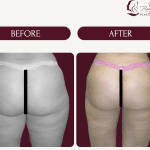
Buttock fat grafting is a surgical procedure that uses a patient’s own fat to enhance the shape and volume of the buttocks. The process generally involves three stages: removing fat from selected areas, processing the collected fat, and transferring it into the buttocks.
Fat is commonly harvested from areas such as the abdomen, flanks, or thighs through liposuction. After processing, the surgeon carefully injects the fat into the appropriate tissue planes to achieve the desired contour.
People considering Fat Grafting Treatment in Dubai should understand that results vary according to individual anatomy, available donor fat, surgical technique, and the body’s natural healing process.
Is Buttock Fat Grafting Dangerous?
Internet searches reveal that buttock fat grafting can be dangerous. This statement is not completely correct. It can be dangerous when fat is injected into or under the big muscle of the buttock. This used to be done in the past. Grafted fat from this location can enter the big veins found there and then the fat globules can go to the heart and lung and produce serious issues. However, this was the past. Today we do not inject inside or under the muscle, only strictly over the muscle. To be clear, the fat is placed between the skin and the muscle-in a plane which also has normal buttock fat. Here the grafting is safe.
To put things in perspective, Dr.Mohan Rangaswamy has been performing buttock fat grafting for over 2 decades without a single complication. Some patients however have required a second session to add more volume.
Other potential but rare complications include infection, bleeding, fluid accumulation, uneven contours, fat necrosis, asymmetry, and changes in skin sensation.
The fat that is grafted is not oil but consists of clumps of living fat cells together with other cells and broken blood vessels. Once grafted to a new place, these packets of fat must connect to the host blood vessels so that the cells can get oxygen and nutrients. Usually, a variable portion of the grafted fat may fail to get thus connected and these cells may die. The dead cells may be partially replaced by new cells from the stem cells that exist in the packets of transferred fat. This explains why the results of fat grafting are somewhat variable depending on the person, surgical technique, diet, age, smoking status etc.
How Can Buttock Fat Grafting Be Performed More Safely?
Although no surgical procedure is completely risk-free, patients can take practical steps to reduce avoidable risks.
1. Choose a Qualified Plastic Surgeon
Selecting an appropriately qualified and experienced plastic surgeon is one of the most important decisions a patient can make. Look for a surgeon with recognized specialist credentials, relevant experience in body contouring, and a clear understanding of fat grafting safety guidelines.
Patients searching for a Top Plastic Surgeon in Dubai should verify the surgeon’s credentials, licensing, hospital privileges, and experience with buttock fat grafting. A responsible surgeon will explain the benefits, limitations, possible complications, and alternative treatment options before recommending surgery.
2. Understand the Importance of Fat Injection Technique
Safe fat placement is particularly important during buttock fat grafting. Professional safety recommendations emphasize keeping injected fat within the subcutaneous tissue above the gluteal muscle, rather than injecting it into the muscle, where major blood vessels may be injured.
Where available and appropriate, real-time ultrasound guidance during fat injection can help the surgeon confirm the location of the cannula tip. Patients should ask their surgeon about the techniques and safety protocols used during the procedure.
3. Complete a Thorough Medical Assessment
Before surgery, patients should disclose their medical history, current medications, allergies, previous operations, and any relevant health conditions. The surgeon may recommend medical examinations or tests to determine whether the patient is a suitable candidate.
Smoking, certain medications, and underlying health problems may increase surgical risks or affect the survival of grafted fat. Patients should follow their medical team’s instructions regarding smoking cessation, medication adjustments, and preparation for surgery.
4. Choose an Appropriate Surgical Facility
Fat grafting should be performed in a properly equipped, licensed surgical facility with qualified anesthesia professionals and appropriate monitoring. The facility should have protocols for managing complications and arranging emergency care when necessary.
When researching Grafting Services in Dubai, patients should evaluate the complete surgical team and facility rather than making a decision based only on price, promotional offers, or photographs of previous results.
5. Follow Postoperative Instructions
Recovery is an important part of the surgical process. Patients should follow their surgeon’s instructions regarding wound care, activity restrictions, sleeping positions, and pressure on the treated area.
Avoid returning to strenuous exercise too early, and attend all scheduled follow-up appointments. Contact the medical team promptly if unusual swelling, increasing pain, fever, redness, or wound discharge develops. Sudden shortness of breath, chest pain, fainting, or severe breathing difficulties require emergency medical attention.
6. Do not ask for massive amounts of fat grafting.
Fat grafting is a delicate and ‘live’ process. Simply injecting large volumes of fat exposes the patient to risks. Furthermore, as outlined about, this large quantity of fat cannot survive and eventually will die, affecting the result.d
If a person wants high volumes of augmentation, it is better to do it in two sessions separated by 4-6 months.
Who Is a Suitable Candidate for Buttock Fat Grafting?
Suitable candidates are generally adults in good overall health who want to improve buttock shape and have sufficient donor fat available. They should understand the possible complications, have realistic expectations, and be prepared to follow recovery instructions.
Patients with certain medical conditions, inadequate donor fat, or other factors that increase surgical risk may require alternative options. A personal consultation is necessary to assess suitability and discuss the safest approach for each individual.
What Should You Ask Before Choosing Treatment?
Before proceeding with buttock fat grafting, consider asking the surgeon:
- What are the most significant risks in my individual case?
- What qualifications and experience do you have in this procedure?
- Do you use real-time ultrasound guidance during fat injection?
- What precautions are taken to prevent fat embolism?
- Where will the surgery take place, and who will provide anesthesia?
- What should I expect during recovery, and what complications require urgent care?
Clear answers can help patients make informed decisions and understand the importance of safety throughout the treatment journey.
Conclusion
Buttock fat grafting can improve body contours, but it is a major surgical procedure. Careful patient selection, appropriate fat injection techniques, qualified medical professionals, a suitable surgical facility, and proper postoperative care are essential considerations.
Anyone researching Fat Grafting Treatment in Dubai or other buttock treatment options should prioritize medical safety over promises of quick results. Consulting a qualified plastic surgeon can help clarify individual risks, realistic outcomes, and the most appropriate treatment plan. An informed decision is an important first step toward safer, more responsible body contouring.